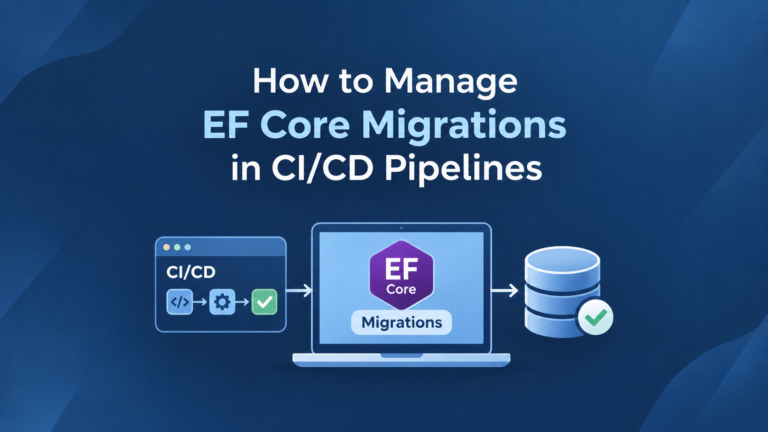
How to Manage EF Core Migrations in CI/CD Pipelines
Database migrations are easy to manage during development. You update your entity classes, generate a migration, and apply it to your local database. Most of…
Solutions Architect | Developer | Blogger
Solutions Architect | Developer | Blogger
Database migrations are easy to manage during development. You update your entity classes, generate a migration, and apply it to your local database. Most of…
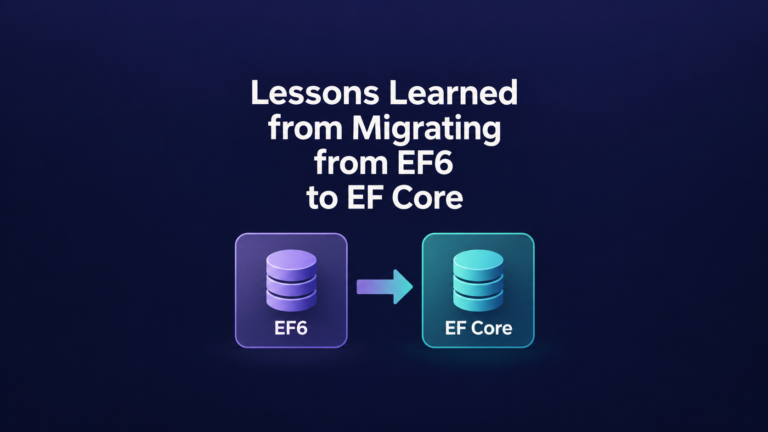
An EF6 application can compile after moving to EF Core and still behave differently. A query might fail only when executed, an entity relationship might…
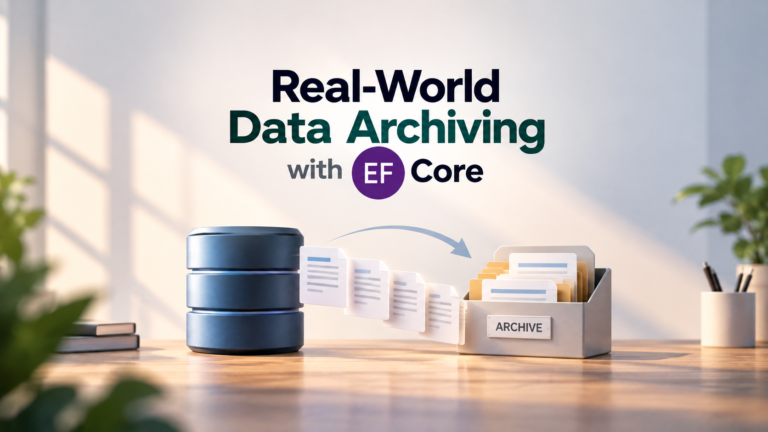
A database that works well with 100,000 records may behave differently once it contains several million. Queries become more expensive, indexes take up more storage,…

When building a multi-tenant application, one of the first questions that comes up is simple: how do we make sure one customer cannot see another…
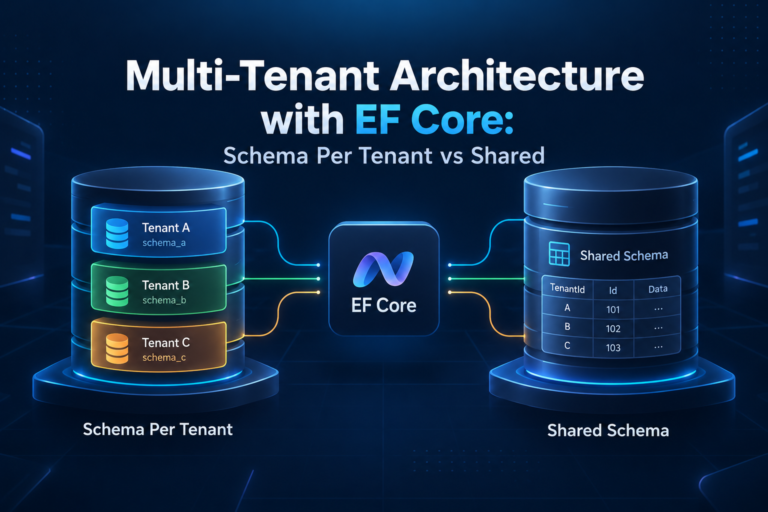
Multi-tenancy sounds simple when we first describe it. We have one application serving multiple customers, organizations, merchants, or companies. Each customer is a tenant, and…
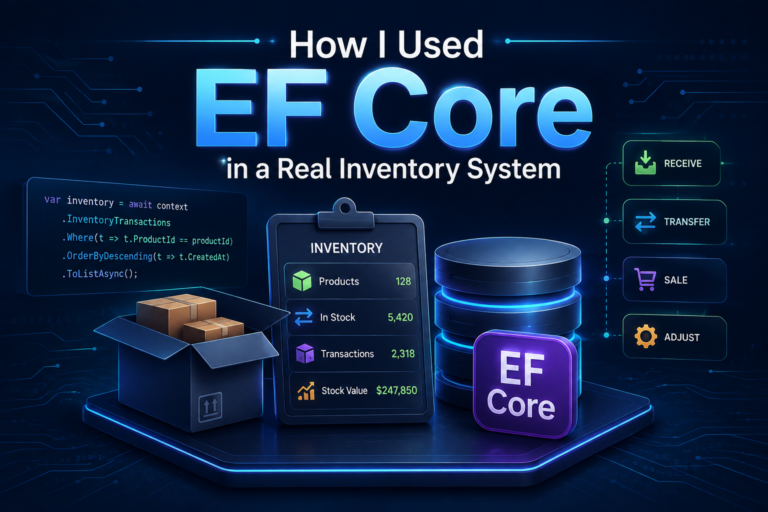
When people first learn Entity Framework Core, the examples are usually simple. You create a Product table, perform a few CRUD operations, and everything works…
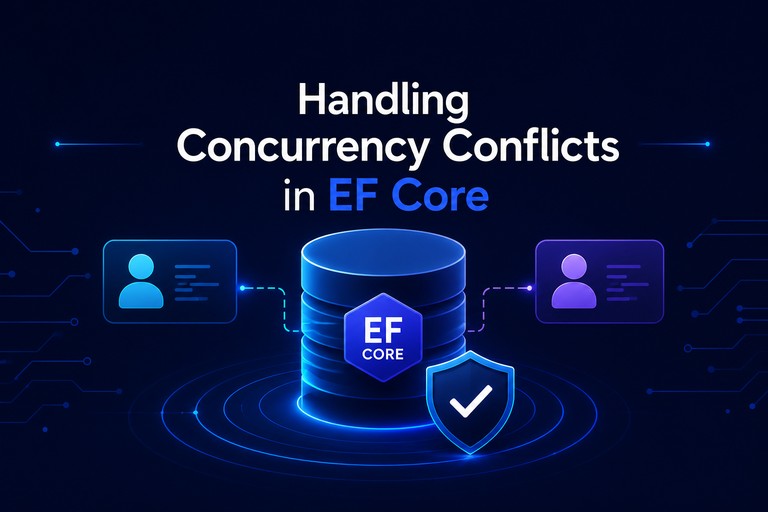
There is one problem that every developer eventually experiences, even if the application is small. Everything works perfectly during testing, but once multiple users start…
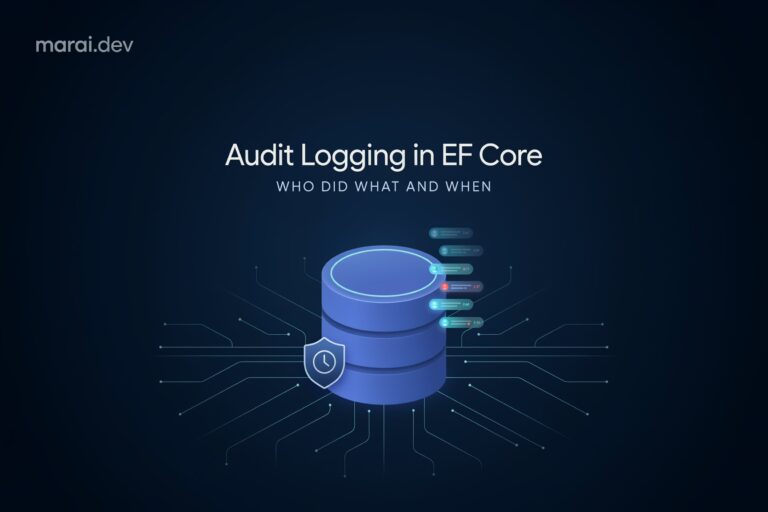
One of the questions I often receive from business users, auditors, and even fellow developers is very simple: “Who changed this record?” The second question…

One pattern that shows up almost everywhere in real systems is soft delete. At first it looks trivial. Just add a column called IsDeleted and…

When I first encountered Entity Framework Core interceptors, I honestly did not pay much attention to them. At that time, I was busy solving more…